Understanding Why Winter Demands a Special Kind of Car
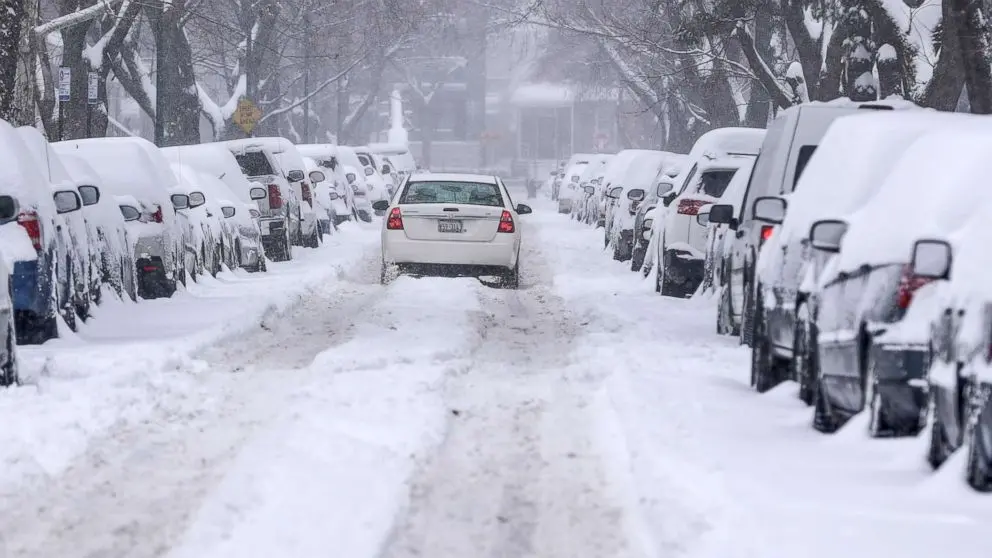
Winter driving is a different experience entirely. The roads become slick, visibility drops, and vehicles are exposed to moisture, salt, and freezing temperatures that can damage critical components. Many drivers underestimate how much these factors impact performance. According to several automotive studies, vehicles with all-wheel drive (AWD), four-wheel drive (4WD), or higher ground clearance significantly outperform standard sedans in snowy or icy conditions.
Cold weather thickens engine oil, drains battery power faster, reduces tire grip, and even affects brake efficiency. Cars designed or prepared for winter compensate for these challenges through improved traction systems, heating features, and materials that withstand corrosion from road salt. In short, a “winter-ready” car isn’t a luxury—it’s a necessity if you want to stay safe and avoid costly repairs.
Key Features Every Winter-Capable Car Should Have
When shopping for a vehicle that can handle the cold, you should focus on function over flash. Below are the most essential features that make a car dependable in low-temperature environments:
- Drivetrain and traction All-wheel drive (AWD) or four-wheel drive (4WD) vehicles deliver better grip on snow-covered roads. Front-wheel drive (FWD) is acceptable for mild winters but can struggle in deep snow or icy conditions.
- Ground clearance A higher chassis allows you to drive safely over snow accumulation and uneven roads. Most experts recommend at least 5.5 inches (14 cm) of clearance for consistent winter performance.
- Winter tires and braking systems No matter how powerful the engine, tires determine safety on icy roads. Choose cars with reliable tire compatibility and consider models where winter tire replacements are inexpensive.
- Heating and defrosting features Heated seats, mirrors, steering wheels, and a strong defroster make daily winter commutes far more comfortable and reduce fog-related visibility problems.
- Battery and engine efficiency Cold conditions drain batteries quickly. Opt for cars known for efficient cold-start performance or with newer battery systems.
- Durability and maintenance costs Older vehicles can still perform excellently in winter if they’re well maintained. Look for models from brands with reputations for reliability—Subaru, Toyota, Honda, and Ford are consistent performers in this area.
How to Prepare Financially for Buying a Winter-Ready Car
Many buyers assume that winter-capable cars are expensive, but that’s not necessarily true. With strategic timing and research, you can find reliable used vehicles equipped with AWD and other cold-weather essentials for under $10,000.
Set a realistic budget that includes not only the purchase price but also essential winter upgrades: new tires, battery checks, antifreeze, and undercarriage protection.
Buy off-season if possible. Prices for AWD vehicles tend to rise in late autumn and early winter. Purchasing in summer or early fall often leads to better deals.
Check vehicle history reports before finalizing a purchase. A well-maintained used car is always a better investment than a newer one with unknown issues.
Inspect critical components such as tires, brakes, and heating systems. Pay close attention to signs of rust—especially if the car has been used in snowy regions where salt is applied to roads.
Negotiate confidently. Real-world pricing data helps you know what to expect and where sellers might be overcharging. As of 2025, used car listings on global marketplaces show affordable, winter-ready vehicles across several makes and models.
Real Affordable Cars That Perform Well in Winter
To make this guide practical, below is a list of five real, affordable car examples available in 2025 that perform effectively in cold or snowy conditions. These prices are verifiable from active listings and reflect the real market range for reliable used cars with good winter performance.
| Model | Year / Specification | Approx. Price (USD) | Why It’s a Good Winter Choice |
| Subaru Impreza Sports | 2020 / AWD / hatchback | 8,306 | All-wheel drive system with excellent stability on ice and snow; reliable Japanese engineering |
| Subaru Impreza G4 | 2015 / 2.0I-S AWD | 3,000 | Known for long-term reliability and strong traction in snow at a remarkably low cost |
| Ford Escape 4WD | 2006 / automatic SUV | 1,650 | Older but capable model with good clearance and dependable 4WD system |
| Toyota RAV4 XLE | 2017 / AWD SUV | 12,950 | Popular mid-size SUV with consistent winter test results and efficient heating system |
| Honda CR-V EX | 2018 / AWD compact SUV | 13,499 | Reliable drivetrain, efficient fuel use in cold weather, and affordable maintenance |
Choosing Between AWD, 4WD, and FWD
Understanding the drivetrain is critical. AWD automatically adjusts power to all four wheels, which helps maintain control on slippery surfaces. 4WD is typically manual, better for off-road or very deep snow but uses more fuel. FWD, while cheaper and more fuel-efficient, struggles in heavy snow.
If you live in an area that experiences constant snowfall, AWD or 4WD should be non-negotiable. For urban residents facing only occasional snow, an FWD vehicle with proper winter tires might suffice. Remember, a good set of tires often has a bigger impact than the drivetrain itself.
The Hidden Costs of Winter Driving
Owning a car that performs well in the cold means preparing for hidden costs. Winter tires can cost $400–$900 depending on size. Replacing the car battery before deep winter can prevent starting issues and costs roughly $150–$250. Road salt can lead to corrosion, so applying undercoating protection ($100–$300) extends your vehicle’s life.
Additionally, insurance rates sometimes vary with season and region. Vehicles with AWD or 4WD may carry slightly higher premiums but can reduce accident risk, balancing overall costs.
Maintaining Your Car During Winter
Even the best winter car can fail if neglected. Before the first frost, ensure that your engine coolant mixture is appropriate, wiper blades are winter-grade, and that you maintain tire pressure—since it drops roughly one PSI for every 10°F decrease in temperature.
Keep the gas tank at least half full to avoid fuel line freezing. Regularly wash the undercarriage to remove salt buildup. Finally, always keep a basic winter emergency kit in your vehicle, including a blanket, flashlight, jumper cables, and shovel.
Timing the Purchase for Maximum Savings
In 2025, the best time to buy a winter-ready car remains late spring to early fall, when demand for AWD and SUVs is at its lowest. Dealerships often offer discounts on outgoing models before introducing new versions. Used car marketplaces such as CarFromJapan, Goo-net, TC-V, and BE FORWARD consistently list vehicles at lower prices than domestic dealers, making them popular sources for budget-conscious buyers.
When purchasing internationally or used, always verify mileage, maintenance records, and import fees. A 2020 Subaru Impreza Sports priced at around $8,300, for example, represents a balance between reliability, modern safety features, and winter capability. In comparison, older models like the 2006 Ford Escape 4WD remain available for under $2,000—perfect for short-term or secondary-car use.
Making an Informed Decision
A “cheap” car is not necessarily a “good deal.” A $3,000 vehicle requiring $2,000 in immediate repairs offers less value than a $7,000 car with recent servicing and new tires. Evaluate total ownership costs, not just sticker price.
If your budget is extremely limited, focus on mechanical soundness over aesthetics. A few scratches or faded paint won’t affect winter performance—but worn tires, rusted brakes, or weak heating systems will.
Also consider resale value. Reliable brands such as Subaru, Toyota, and Honda maintain strong resale demand even after several years, meaning your purchase remains an asset rather than a liability.
Final Thoughts
Driving safely and comfortably in winter doesn’t require a luxury vehicle. What truly matters is the right combination of traction, clearance, durability, and cost efficiency. With realistic expectations, good timing, and informed research, you can own a winter-ready car that fits your budget and lifestyle.
In 2025, the used-car market offers exceptional opportunities for buyers who know where to look. Whether you choose a Subaru Impreza for its balance of power and stability, a Toyota RAV4 for its dependability, or a Ford Escape for its affordability, there’s an option waiting that keeps you warm, safe, and financially secure through the coldest months.
Remember—winter driving isn’t just about surviving the season; it’s about thriving in it. Choose wisely, prepare early, and let your next car carry you confidently through every snowstorm ahead.